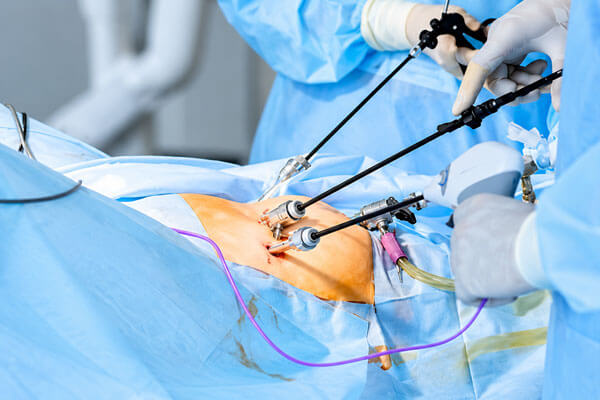
Cancer surgery has evolved significantly with advances in surgical techniques and technology. For selected patients, laparoscopic or minimally invasive surgery may provide an alternative to traditional open surgery, using smaller incisions while allowing the surgeon to operate with precision.
Dr. Aditya Reelkar is a Surgical Oncologist in Mumbai with experience in the surgical management of various cancers. Depending on the patient's diagnosis and clinical condition, minimally invasive techniques may be considered as part of an individualised surgical treatment plan.
Laparoscopic surgery is a minimally invasive technique in which surgeons use small incisions and specialised instruments to access the affected area. A camera provides a magnified view of the surgical field, helping the surgeon perform the procedure through these smaller openings.
Whether laparoscopic surgery is appropriate depends on factors such as the type and location of the cancer, its stage, the extent of disease, and the patient's overall health.
When appropriate for a particular cancer, laparoscopic surgery may involve smaller surgical incisions compared with conventional open procedures. This can potentially contribute to reduced postoperative discomfort, shorter hospital stays, and a gradual return to routine activities.
However, the suitability and potential benefits of minimally invasive surgery vary from patient to patient and depend on the specific surgical procedure being considered.
Cancer surgery requires detailed assessment before treatment. Imaging studies, biopsy reports, blood tests, and other investigations may be reviewed to understand the extent of the disease and determine the appropriate surgical approach.
The surgical plan is developed according to the individual patient's condition, with consideration given to cancer control as well as the patient's recovery and overall wellbeing.
Laparoscopic techniques may be considered for selected cancers involving organs within the abdomen and pelvis. The decision depends on the location and stage of the tumour, previous treatments, the patient's anatomy, and other clinical factors.
In some complex cases, conventional open surgery may be more appropriate. The recommended approach is determined after a detailed evaluation by the treating surgical team.
Cancer treatment may involve more than surgery. Surgical oncologists often work with medical oncologists, radiation oncologists, radiologists, pathologists, and other specialists to develop a coordinated treatment plan.
A multidisciplinary approach helps ensure that surgical treatment is considered within the broader context of the patient's complete cancer care.
Recovery after cancer surgery depends on the type of procedure, the extent of surgery, and the patient's overall health. Follow-up consultations help monitor healing, review pathology results, and plan any additional treatment that may be required.
If you have been diagnosed with cancer and laparoscopic surgery has been suggested, a specialist consultation can help you understand whether a minimally invasive approach may be suitable for your condition.
© 2026 | Dr Aditya Reelkar