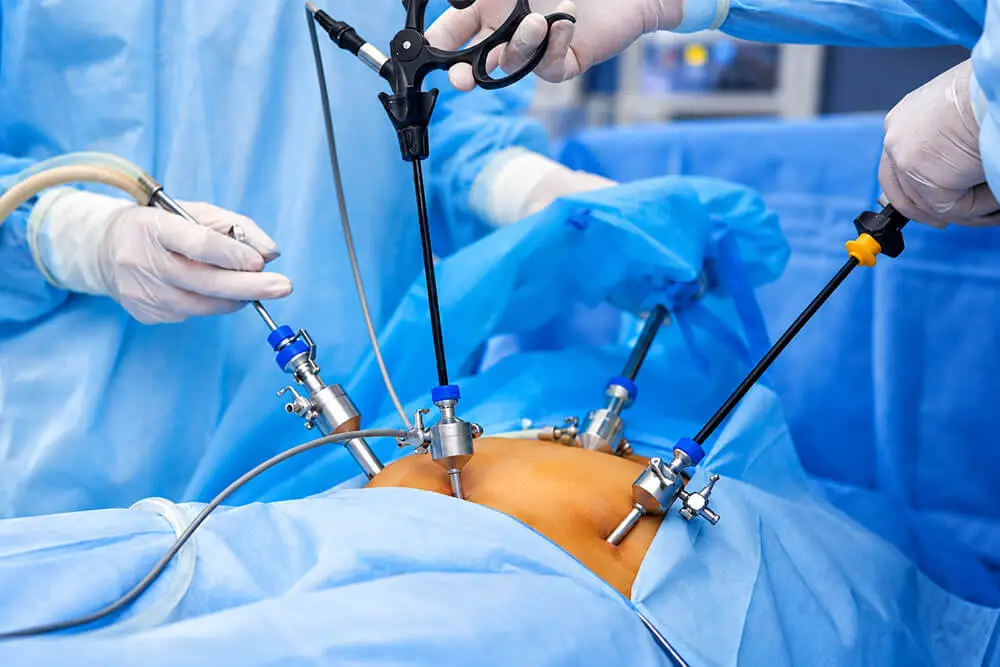
Laparoscopic cancer surgery is a minimally invasive surgical approach that uses small incisions and specialised instruments to access and treat selected cancers. It may be considered for appropriate patients depending on the type, location, and stage of the cancer.
Dr. Aditya Reelkar is a Surgical Oncologist providing surgical care for patients with cancer. When clinically appropriate, laparoscopic techniques may be considered as part of an individualised treatment plan based on the patient's condition and surgical requirements.
Laparoscopic surgery involves making small incisions through which a camera and specialised surgical instruments are inserted. The camera provides a magnified view of the surgical area, allowing the surgeon to perform the procedure through these smaller openings.
The suitability of laparoscopic surgery depends on several factors, including the type and stage of cancer, tumour location, previous treatments, and the patient's overall health.
For selected cancer procedures, a minimally invasive approach may offer advantages such as smaller surgical incisions and potentially less postoperative discomfort. Some patients may also experience a shorter hospital stay and a gradual return to routine activities.
The potential benefits vary depending on the procedure and individual patient. Laparoscopic surgery is not suitable for every cancer or every patient.
Cancer surgery requires detailed evaluation before the procedure. Imaging studies, biopsy reports, blood tests, and other investigations may be reviewed to understand the extent of the disease and determine the appropriate surgical approach.
Careful planning helps the surgical team consider both cancer removal and the patient's overall health and recovery requirements.
Every cancer diagnosis is different. Treatment planning may involve surgery along with chemotherapy, radiation therapy, targeted therapy, immunotherapy, or other treatments depending on the type and stage of the disease.
The recommended treatment sequence is determined after considering the patient's individual clinical findings and overall treatment goals.
Laparoscopic techniques may be considered for selected cancers involving organs within the abdomen and pelvis. The decision depends on the tumour's size, location, stage, involvement of nearby structures, and other patient-specific factors.
In some complex cases, conventional open surgery may be more appropriate. The surgical approach is selected after detailed evaluation by the treating team.
Cancer treatment may involve several specialists. A surgical oncologist may work with medical oncologists, radiation oncologists, radiologists, pathologists, gastroenterologists, and other specialists depending on the patient's diagnosis.
Coordinated care helps ensure that surgical treatment is considered as part of the patient's complete cancer management plan.
Recovery after laparoscopic cancer surgery depends on the type and extent of the procedure and the patient's overall health. Follow-up consultations help monitor healing, review pathology results, and plan additional treatment or surveillance when required.
If you have been diagnosed with cancer and laparoscopic surgery has been suggested, a specialist consultation can help you understand whether a minimally invasive surgical approach may be appropriate for your condition and what treatment options are available.
© 2026 | Dr Aditya Reelkar