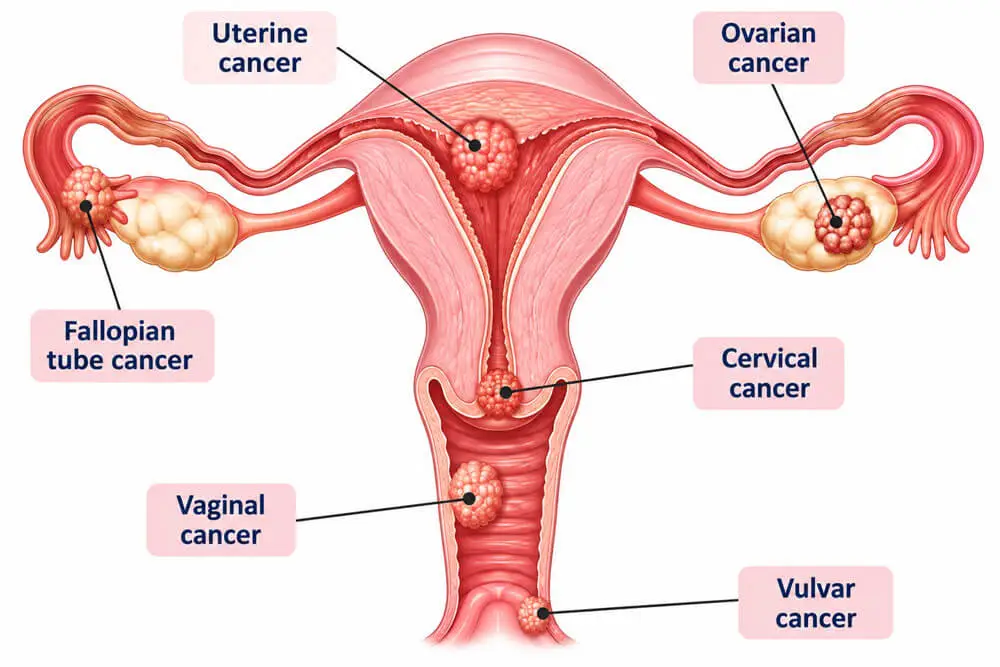
Gynecological cancers can affect different parts of the female reproductive system, including the uterus, cervix, ovaries, fallopian tubes, vagina, and vulva. These cancers may require specialised evaluation and carefully planned treatment.
Dr. Aditya Reelkar is a Surgical Oncologist providing surgical care for patients with gynecological cancers. Treatment is planned according to the type, location, stage, and extent of the disease, along with the patient's overall health.
Gynecological cancer is a term used for cancers that develop in the female reproductive system. Common types include cervical, ovarian, uterine, vaginal, and vulvar cancers. Each type can have different symptoms, risk factors, and treatment requirements.
Symptoms may include abnormal vaginal bleeding, unusual vaginal discharge, pelvic pain, abdominal discomfort, changes in menstrual patterns, or other persistent symptoms. Unusual or persistent symptoms should be evaluated by an appropriate medical professional.
Surgery may be an important part of treatment for selected patients with gynecological cancer. Depending on the type and extent of the disease, surgery may involve removing the tumour, affected reproductive organs, nearby tissues, or lymph nodes when required.
The appropriate procedure depends on factors such as the type and stage of cancer, tumour location, involvement of surrounding structures, and the patient's overall health and treatment requirements.
For selected patients, minimally invasive techniques such as laparoscopic surgery may be considered. These procedures use smaller incisions and specialised instruments to perform the surgery.
Whether minimally invasive surgery is suitable depends on the individual cancer, its location and extent, and other clinical factors. In certain complex cases, open surgery may be more appropriate.
Every patient's cancer is different. Treatment planning may involve surgery along with chemotherapy, radiation therapy, targeted therapy, immunotherapy, or other treatments depending on the diagnosis.
The recommended treatment and sequence are determined after detailed evaluation of the patient's condition and individual clinical needs.
Detailed investigations, imaging, biopsy findings, and other clinical information may be reviewed before surgery. This helps the treating team understand the extent of the disease and plan the appropriate surgical approach.
Careful planning aims to achieve appropriate cancer treatment while considering the preservation of important structures and functions wherever medically appropriate.
Gynecological cancer treatment may involve several specialists, including surgical oncologists, medical oncologists, radiation oncologists, radiologists, pathologists, and gynecologists.
Coordinated care allows different specialists to contribute to the overall treatment plan and determine the appropriate combination of therapies when required.
Recovery depends on the type and extent of surgery and the patient's overall health. Follow-up consultations help monitor healing, review pathology results, and determine whether additional treatment or surveillance is required.
If you have been diagnosed with gynecological cancer or have been advised to undergo surgical evaluation, a consultation with a surgical oncologist can help you understand your condition, available treatment options, and the next steps in your care.
© 2026 | Dr Aditya Reelkar