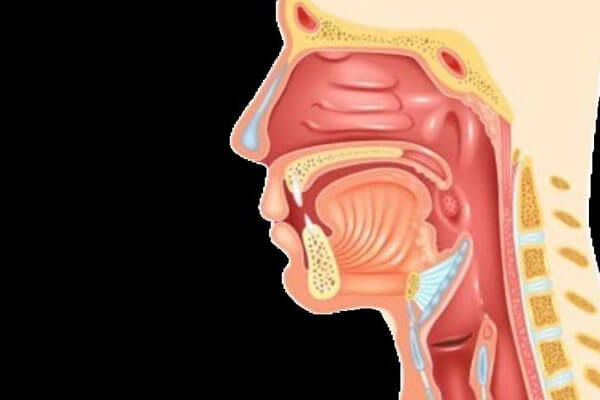
A diagnosis of head and neck cancer can bring many questions and concerns for patients and their families. Understanding the condition, available treatment options, and the next steps can help patients approach their treatment journey with greater clarity.
Dr. Aditya Reelkar is a Surgical Oncologist in Mumbai with experience in the surgical management of various cancers, including head and neck cancers. His approach focuses on understanding each patient's condition and developing a treatment plan based on the type, location, and extent of the cancer.
Head and neck cancers can develop in different areas, including the mouth, throat, voice box, salivary glands, nasal cavity, and other structures of the head and neck region. These cancers can differ in their type, stage, and behaviour, which can influence the recommended treatment approach.
Symptoms may vary depending on the area affected and can include a persistent mouth ulcer, difficulty swallowing, changes in the voice, a neck lump, persistent sore throat, or other unusual changes. Any persistent or unexplained symptom should be evaluated by an appropriate medical professional.
Surgery may form an important part of treatment for selected patients with head and neck cancer. Depending on the location and extent of the tumour, surgery may involve removing the cancer along with affected tissues while aiming to preserve important structures and functions wherever possible.
Detailed assessment and surgical planning are important because structures involved in speech, swallowing, breathing, and other essential functions may be located close to the tumour.
Every patient's cancer is different. Treatment planning depends on factors such as the type and stage of cancer, its exact location, whether it has spread, the patient's general health, and previous treatments.
Depending on the diagnosis, treatment may include surgery, radiation therapy, chemotherapy, targeted therapy, immunotherapy, or a combination of these approaches. The appropriate treatment plan is determined after a detailed evaluation.
Head and neck cancer treatment often involves multiple specialists. A surgical oncologist may work closely with medical oncologists, radiation oncologists, radiologists, pathologists, and other healthcare professionals.
This multidisciplinary approach allows the patient's condition to be evaluated from different perspectives and helps coordinate the different aspects of treatment when required.
Persistent symptoms involving the mouth, throat, neck, or voice should not be ignored. A mouth ulcer that does not heal, unexplained neck swelling, difficulty swallowing, persistent throat discomfort, or changes in the voice may require medical evaluation.
Early evaluation can help identify the cause of symptoms and determine whether further investigations such as imaging, endoscopy, biopsy, or specialist consultation are required.
Cancer treatment can be physically and emotionally challenging. Clear communication about the diagnosis, treatment options, expected recovery, and follow-up care can help patients and their families understand what to expect at each stage.
If you or a family member has been diagnosed with head and neck cancer, a consultation with a surgical oncologist can help you understand the available treatment options and the next steps in your individual care journey.
© 2026 | Dr Aditya Reelkar