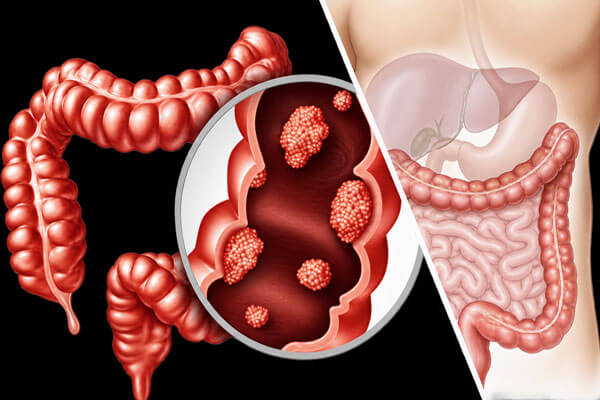
Colorectal cancer affects the large intestine, including the colon and rectum, and can require specialised evaluation and treatment. A diagnosis may bring many questions about surgery, additional treatments, recovery, and long-term care. Timely specialist guidance can help patients understand their condition and the available treatment options.
Dr. Aditya Reelkar is a Surgical Oncologist in Mumbai providing surgical care for patients with colorectal cancer and other complex cancers. His approach focuses on evaluating the individual patient's condition and planning treatment according to the location, stage, and extent of the disease.
Colorectal cancer can develop in the colon or rectum and may begin as abnormal growths called polyps. Some polyps can develop into cancer over time. Symptoms may include changes in bowel habits, blood in the stool, persistent abdominal discomfort, unexplained weight loss, or persistent changes in bowel movements.
These symptoms can also occur with conditions that are not cancerous. However, persistent or unusual symptoms should be evaluated by a qualified medical professional to determine their underlying cause.
Surgery is an important treatment option for many patients with colorectal cancer. Depending on the location and extent of the tumour, surgery may involve removing the affected section of the colon or rectum along with nearby lymph nodes and surrounding tissues when required.
The type of surgery depends on several factors, including the tumour's location, cancer stage, involvement of surrounding structures, and the patient's overall health. Detailed assessment is important before deciding on the appropriate surgical approach.
For selected patients, colorectal cancer surgery may be performed using minimally invasive techniques such as laparoscopic surgery. These approaches use smaller incisions and specialised instruments to perform the procedure.
Whether minimally invasive surgery is suitable depends on the individual cancer and the patient's clinical condition. In some complex situations, conventional open surgery may be more appropriate.
Colorectal cancer treatment varies from patient to patient. Treatment planning may take into account the cancer stage, tumour characteristics, lymph node involvement, presence of disease elsewhere, and the patient's overall health.
Depending on the diagnosis, treatment may include surgery along with chemotherapy, radiation therapy, targeted therapy, immunotherapy, or other treatments. The recommended combination and sequence are determined according to the individual clinical situation.
Some colorectal cancers can involve nearby organs or structures or may require more complex surgical planning. Such cases may require detailed imaging, specialised surgical assessment, and coordination between multiple medical teams.
Careful planning helps the treating team understand the extent of the disease and determine the appropriate treatment strategy for the patient.
Colorectal cancer treatment often involves several specialists. A surgical oncologist may work closely with medical oncologists, radiation oncologists, radiologists, pathologists, gastroenterologists, and other specialists depending on the patient's condition.
This multidisciplinary approach helps coordinate different aspects of treatment and supports a comprehensive approach to cancer management.
Recovery after colorectal cancer surgery depends on the type and extent of the procedure and the patient's overall health. Follow-up appointments are important for monitoring recovery, reviewing pathology findings, and determining whether additional treatment or surveillance is required.
If you or a family member has been diagnosed with colorectal cancer, a consultation with a surgical oncologist can help you understand the condition, available treatment options, and the next steps in care.
© 2026 | Dr Aditya Reelkar